
Is There a Need for a Female Perspective in Financial Discussions?
During my long career in the banking industry, I have attended dozens of investment evenings. In events aimed specifically at women, I am always surprised by how different the atmosphere is. While traditional investment evenings often feel somewhat formal and reserved at first, women’s events are filled with lively conversation even before the event begins. Many women arrive with a friend, and the atmosphere is open – and there is never a shortage of questions.
There is clearly a need for financial discussions designed for women. Year after year, our Savings Barometer survey, conducted by the Savings Bank Group and focused on people’s financial habits and attitudes toward money, shows that women’s relationship with money is more complex than men’s. Women worry more about financial matters, feel less secure about their financial future, lose sleep over money more often, and are less likely than men to feel that they can influence their own financial situation. And so on.
In almost every question, women’s responses reflect greater uncertainty regarding their personal finances. Of course, it is impossible to generalize completely – these findings describe women and men on average. Naturally, there are many different kinds of individuals among both women and men.
Women, on average, earn less than men, which partly explains why women also invest and save less frequently and with smaller amounts. However, women’s own financial behavior can also contribute to slower wealth accumulation over time. Women’s investments are more often directed toward low-yield options such as savings deposits. They may feel safe, but in the long run it is difficult to achieve returns that even exceed inflation. Women’s investment funds also tend to contain a lower proportion of equities than men’s, which predicts lower long-term returns.
This is despite academic research showing that women are actually good investors and, on average, achieve better investment returns than men – as long as they dare to get started.
Women’s Financial Wellbeing Is Weaker Than Men’s
The results of our Savings Barometer are supported by extensive academic research examining what financial wellbeing really means to people. Perhaps the most important message is that financial wellbeing is about more than money – it is also deeply connected to emotions.
According to researchers, these emotions consist of three elements: security, joy, and freedom.
Security means the feeling that one’s finances can handle everyday life and unexpected situations, that bills can be paid, and that there is a financial buffer for surprises. Freedom means having the ability to make life choices that reflect who you are, without money limiting your options too much. Joy, in turn, refers to pleasure and meaningful experiences. Different elements become more important at different stages of life, but the core elements are universal.
Unfortunately, the research also showed that women’s financial wellbeing is weaker than men’s – even when wealth levels are taken into account. Even if women and men have the same amount of assets, women still tend to experience lower financial wellbeing.
The reasons behind this can only be speculated upon. Several studies have shown that women’s financial literacy is, on average, weaker than men’s. Lower levels of financial knowledge and confidence may also lead to lower wellbeing. Many women experience financial matters as more distant or intimidating. It may also be that social norms shape the financial behavior of women and men differently. Genetics may also play a role.
Whatever the reasons may be, there is clearly a need for women-centered financial conversations. Financial matters are important for everyone – but they are especially important for women, because women often start from slightly further behind.
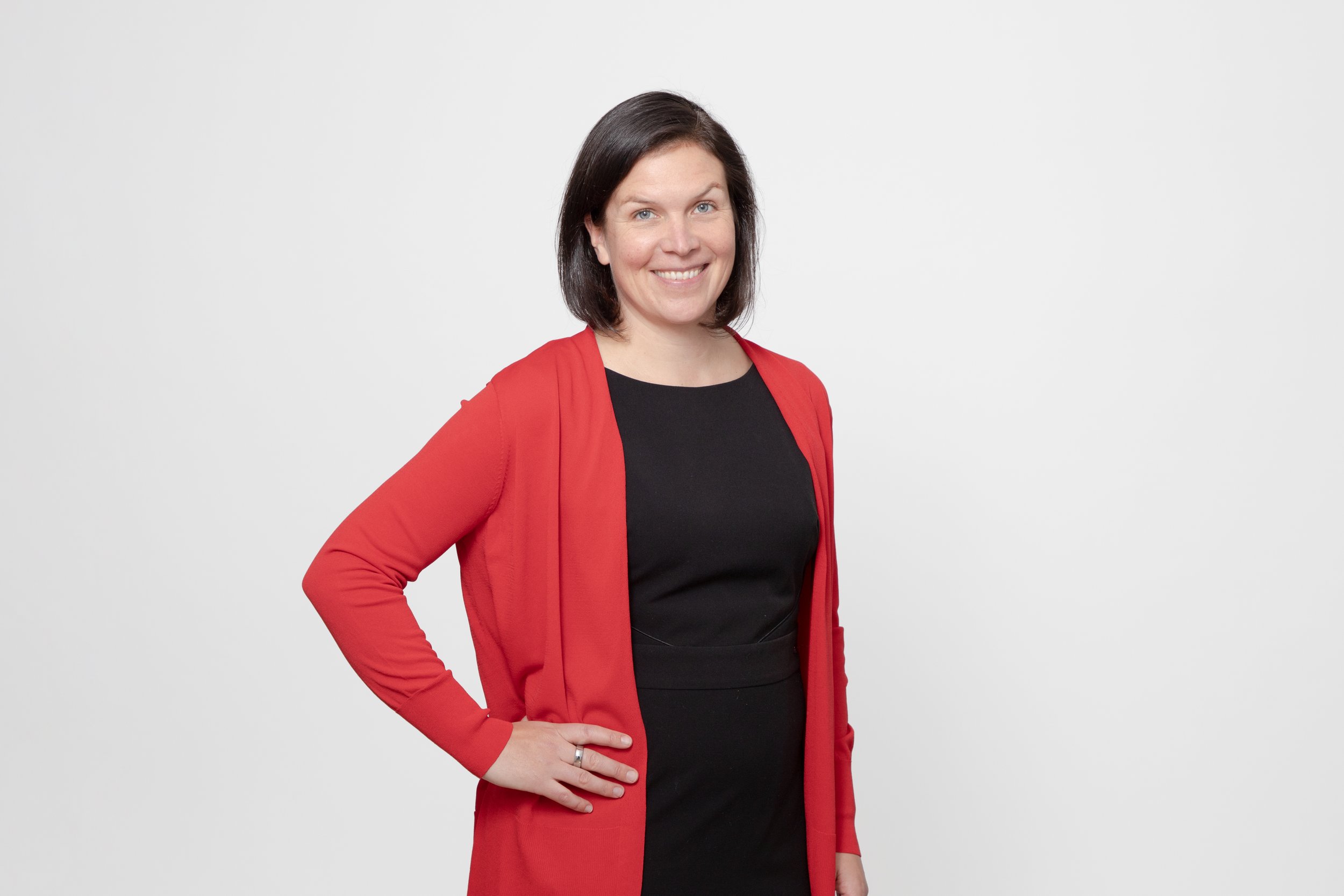
The author is Henna Mikkonen, Chief Economist of the Savings Bank Group. Henna has more than 25 years of experience working as a responsible investment analyst and economist. She has also completed the internationally respected CFA qualification in finance. Henna is passionate about bringing financial matters closer to people’s everyday lives and promoting financial wellbeing for everyone – but especially for women ❤️