
Leadership in Transition: Social Sustainability Is Reshaping Leadership
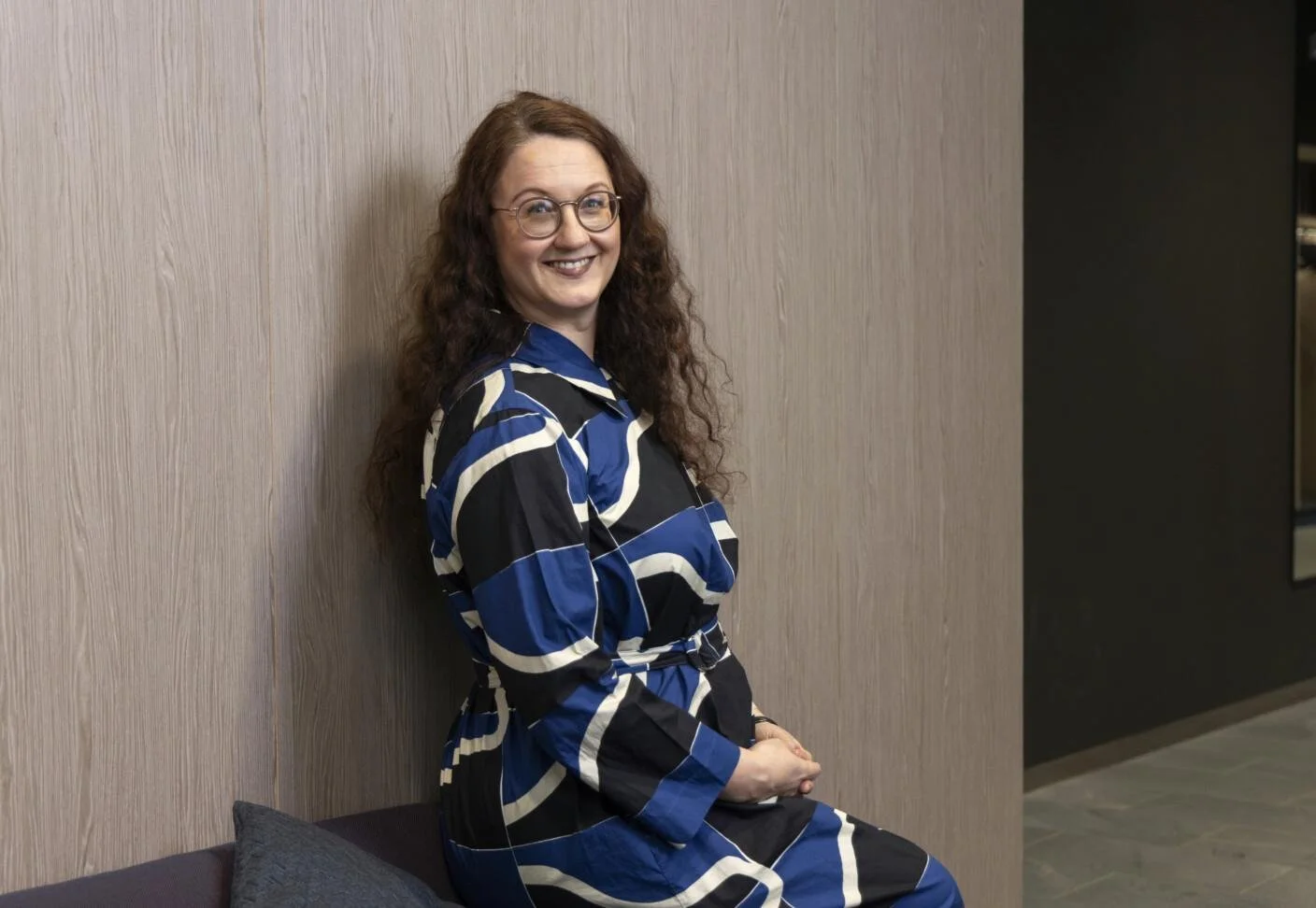
In the coffee room and around the lunch table at the Oulu Chamber of Commerce, conversations are often lively.
Ideas are exchanged, people laugh, and plans are made. Around the table, there are mostly women, as our workplace is female-dominated. Fields such as communications, customer service, event production, education, and administration are areas where women often work and gravitate toward.
Then we step into our event, Suurhankeinfo.
In the room, there is a steady buzz of conversation, but most participants are men. Even though Finland is considered one of the most gender-equal countries in the world by many measures, power structures in business life remain strongly male-dominated. Women are still underrepresented in top management, on boards, and in positions of public influence. In Northern Finland, where industries such as technology, construction, energy, and mining form the core of the economy, this imbalance is particularly pronounced.
Research consistently shows the same message: diverse teams whether in daily operations, management teams, or boards, make better decisions and positively impact company performance. Different perspectives challenge assumptions and help uncover blind spots. Diversity in education, professional experience, and cultural background further enriches team performance.
In female-dominated teams, strong collaboration, listening skills, and the ability to read situations and people are often developed. These are strategic skills. Yet they often remain invisible when moving from discussion to stage, decision-making, or public discourse. Leadership has long been viewed as an individual performance: a strong voice, a clear vision, or a commanding presence. However, from the perspective of social sustainability, relationships and interaction are essential, even if they are less tangible and harder to define.
A growing trend in social sustainability, which inevitably affects working life, is the shift from “hard” factors to softer and less visible ones. Instead of focusing solely on the physical work environment, attention is increasingly given to participation, psychological safety, well-being, and quality of life. Socially sustainable workplaces recognize individual differences across age, gender, and background. Flexibility is key, but it also presents challenges: how do we ensure a healthy balance between work and personal life, and sufficient time for recovery?
This shift also challenges our understanding of leadership and influence. Who gets to speak? Whose voice is heard? Which communication styles are considered credible?
If the ability to build trust, facilitate dialogue, and create shared direction becomes more valued, these skills must be recognized as central to leadership.
At the same time, we must critically examine the structures that shape visibility and power. Who is invited to speak? Who sits on boards? Who is seen as an expert in the media? And how do we ensure that competence is truly recognized?
Since diversity strengthens competitiveness, it is not just a value or a goal, it requires concrete actions in everyday practices: recruitment, selection, invitations, and interactions. Each of us can influence whose voice is heard. Organizations that utilize their full potential perform better in a changing world.
Ultimately, this is not about opposition, but about balance.
We need different leadership styles, different voices, and different experiences. When the diversity and insights from informal discussions also reach decision-making arenas, more sustainable and impactful solutions are created.
Mari Viirelä
Director of the Service Sector
Oulu Chamber of Commerce